About SupportAbility
Care that fits the person, not the other way around
We're an Alberta-based supportive care and consulting organization helping individuals, families and communities navigate complex health, disability and life challenges.
Our story
Built from years on the front lines
Holly Payne founded SupportAbility in 2018. She brings more than 15 years of experience across the disability, senior care, mental health, justice and community service sectors.
Over that time, Holly saw again and again how rigid service models can fail people whose needs are complex or overlapping. SupportAbility was created to do things differently.
Today we support individuals and families navigating aging, disability, mental health challenges, addiction, housing instability and involvement with the justice system. We also help organizations and government partners through consulting and independent investigations.
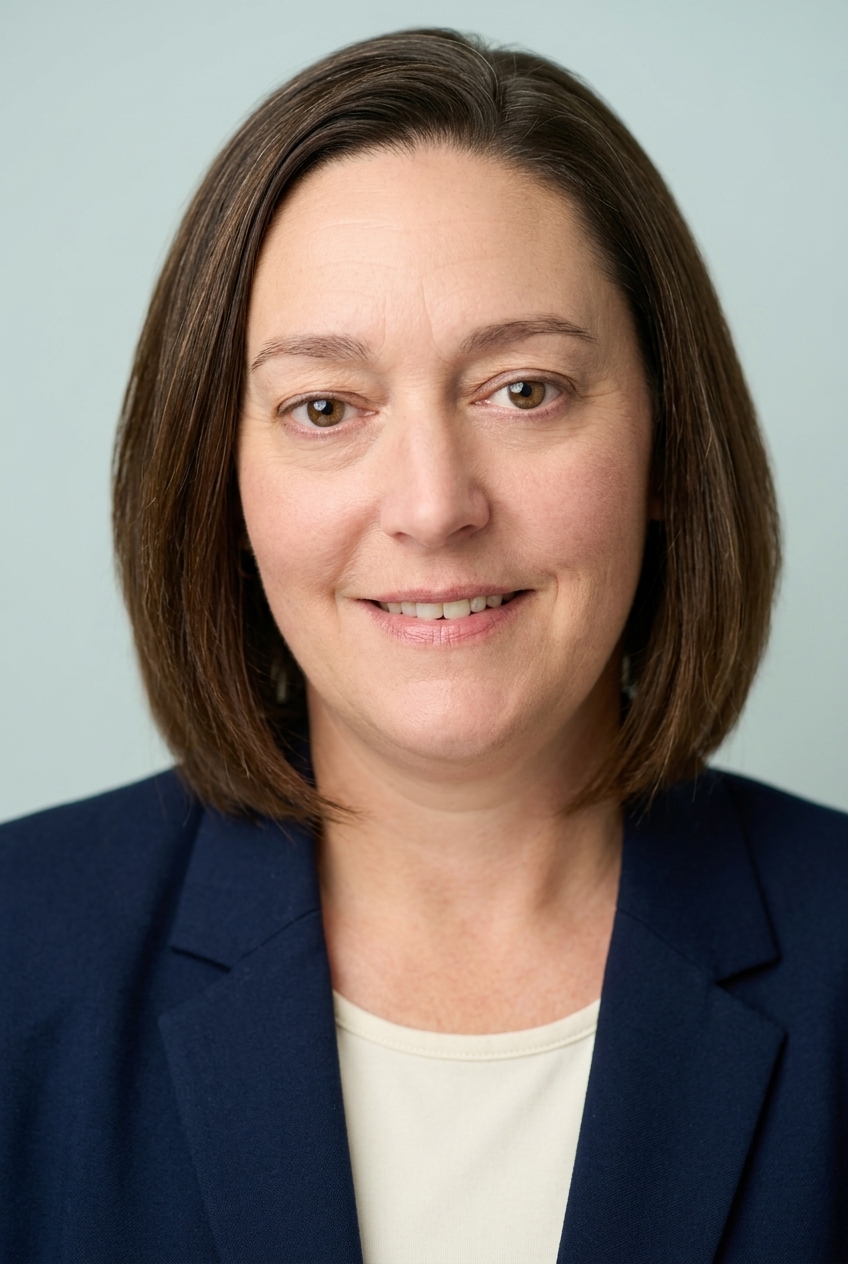
"Everyone deserves care that is responsive, respectful and tailored to them."
Holly Payne, Founder
Our mission
Healthier, safer, more connected lives
We provide personalized, goal-oriented and outcome-focused supports that empower individuals and families to live healthier, safer and more connected lives.
We are committed to:
- Supporting individuals with complex and diverse needs
- Reducing barriers to care, housing and community inclusion
- Delivering services that are flexible, collaborative and evidence-informed
- Advocating for dignity, choice and quality of life for people who are marginalized or under-resourced
Our commitment
Safety, dignity, independence and connection
We provide flexible, person-centred services, especially for people who are often underserved or hard to support within traditional systems. As we grow, we stay committed to ethical practice, accountability and meaningful outcomes for the people and communities we serve.
Our organizational values
What we stand for
- 1
Dignity First
We meet every person as the expert on their own life. Before we offer a service, a plan, or an opinion, we ask what someone actually wants and we honor complexity instead of flattening people into case files or diagnoses. No one has to prove they deserve respect to receive it.
- 2
Radical Belonging
We build spaces where people who have been pushed to the margins by poverty, disability, trauma, immigration status, incarceration history, addiction, or identity are not just tolerated but genuinely wanted. Belonging isn't a waiting room; it's a standing invitation, even for the people systems have given up on.
- 3
Trauma-Informed by Default
We assume that many of the people we serve have survived harm from the very systems meant to help them, including ours. We design our programs, our paperwork, and our conversations to avoid re-traumatizing people, and we treat "difficult" behavior as information, not a character flaw.
- 4
Power With, Not Power Over
We share decision-making with the people and communities we serve rather than deciding for them. Participants help shape our programs, our policies, and our definition of success because expertise built from lived experience is as real as expertise built from a degree.
- 5
Courageous Advocacy
We don't just help people navigate broken systems; we work to change them. When policies, funding structures, or institutions fail the people we serve, we say so publicly and push for better, even when it's uncomfortable or risks our own position.
- 6
Whole-Person Continuity
We recognize that complex lives don't fit into single-issue programs. Someone doesn't stop needing support with housing because we're focused on employment or stop needing mental health care because we're focused on benefits enrollment. We build bridges across services instead of forcing people to start over at every door.
- 7
Accountability to the People We Serve
Our first accountability is to participants, not funders, boards, or our own reputation. We track our impact honestly, admit when we get it wrong, and treat feedback from marginalized communities as a mandate for change rather than a complaint to manage.
Share your feedback with us